Second only to Jesus, Abraham Lincoln has had more books published about him than any other historical figure. And since Jesus inhabits the world of make believe, it’s more accurate to say that Honest Abe has a permanent lock on the top spot for actual human beings. It’s not even close. Add to that the innumerable poems, songs, speeches, historic sites, museum exhibits, and yes, motion pictures, dedicated to the honor and glory of our 16th President, and we can at last close out the popularity contest that is American commemoration. The Great Emancipator, on scene for a mere whisper of time given our thousands of years of turmoil, won going away. And while I figured there wasn’t anything new and original to say about him (we’ve even gone the vampire hunter route, thanks to a 2012 film), I hadn’t yet seen a little number from 1938 called Of Human Hearts. No, it’s not a biopic, and no, it’s not even halfheartedly related to his life, but I’ll be damned if it didn’t add a new wrinkle to a man even the casual and indifferent lay claim to know.
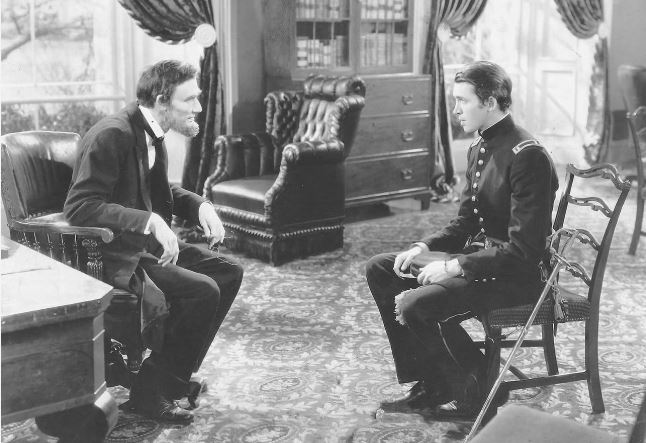
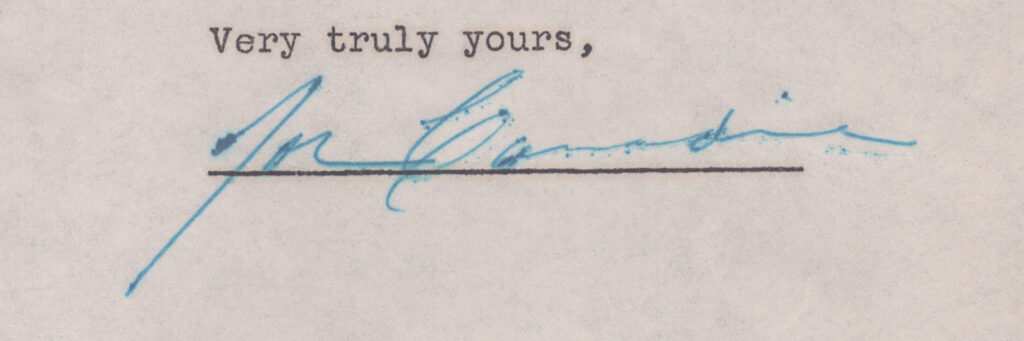
It’s but one scene. At the White House, thankfully, so at least there’s something accidentally accurate about it. The actor is John Carradine, and while the voice is all wrong, the makeup and overall bearing aren’t bad. Not even remotely ridiculous. We can buy it, especially since it’s less than ten minutes of screen time. He sits across from Jimmy Stewart (playing an Army surgeon named Jason Wilkins), which adds further gravitas, because even the most cynical among us can admit that the two would have gotten along. Hell, the storytelling alone would have taken up much of the war. Wilkins has been pulled away from his battlefield duties not for a commendation, or advice, or even a notice of transfer (though it is rumored that General Grant has made overtures), but rather a stern lecture. A dressing down, if you were. It’s a moment of truth with more drama than Abe’s rise to the lectern at Gettysburg.
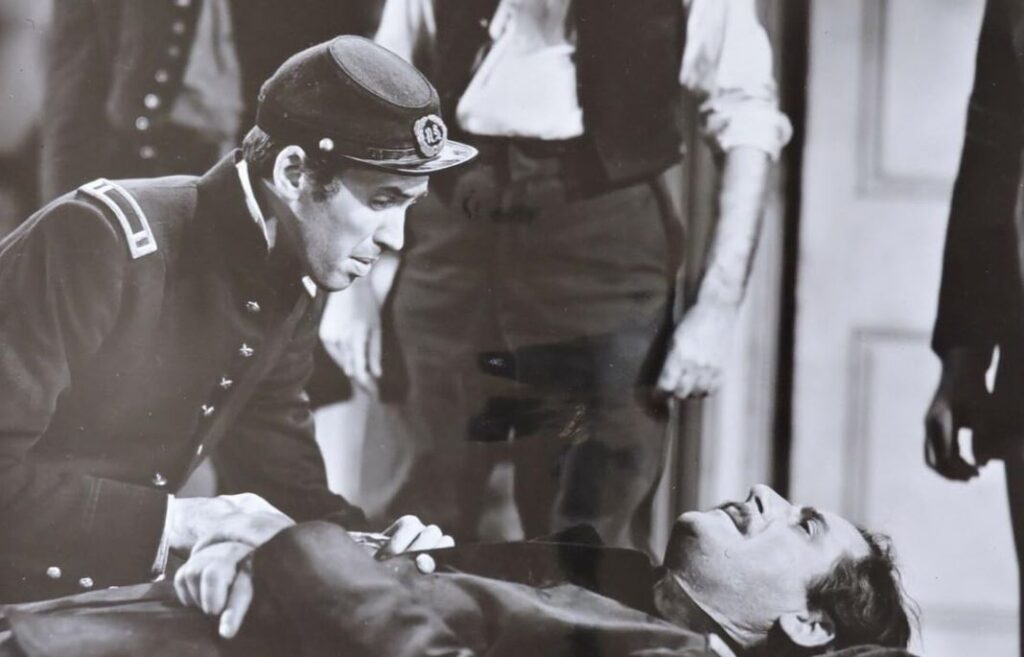
You see, Wilkins has been mean to his mama. A bastard. Downright rude. He’s been away at war for two years, and not a single letter to his dear old ma. Mother Wilkins (played with unflinching and angelic grace by Oscar nominee Beulah Bondi) has even resorted to writing her own letter to the Commander in Chief to see where her son might be buried. Only he’s not buried. He’s alive and well and being an asshole. Sure, Lincoln has his own dead son to mourn, along with casualty reports and a bickering cabinet, but if there’s one thing that can pull him away from the conflagration and blood-soaked telegraphs, it’s a man disrespecting the woman who gave him life. Antietam, Cold Harbor, the New York City draft riots: fuck ‘em all. You can practically see Lincoln wiping his desk clean of all other distractions. He has before him a young doctor, a sorrowful, epistolary plea from an old lady, and the greatest duty of his life to perform. He’s going to tell this sonofabitch what’s what. The world, as it were, can wait.
It’s important to note that in the hour-and-a-half prior to this meeting, Jason was a loathsome, selfish little prick who took everyone for granted and only reached out when he needed money. He hated his father (they even had a glorious fistfight before Jason left town) and wanted to be anything but the beloved preacher he had been all his life. He liked books and learning and interesting magazines, and for chrissakes, can a growing boy get a piece of meat for a change? He was so rebellious, he even preferred the company of the town drunk, a man who just barely put in enough hours as a medical practitioner to keep his license current. While in medical school, Jason’s studies were interrupted only by the desperate, obnoxious letters to mom, whereby he demanded she sell everything not nailed down – including her wedding ring – to fund his dreams. Not once did he ask how things were going, or if she could live without blankets and coats and the family’s prized horse. Hock it all, woman, and keep the excuses to yourself.
So yes, we understand fully why Jason wanted to escape the two-bit hamlet of his youth, and why he might have cause to curse and damn his humorless father who couldn’t conceive of the written word unless it had “Holy Bible” stamped on the cover. But keeping your own mother in the dark about whether or not you were even alive? Not on Lincoln’s watch. In the time it took for Jason to travel to see the president, it’s possible dozens died awaiting his life-saving care, but that pales next to an ungrateful child. For what shall it profit a man if he shall gain the whole world, and lose his own mama? These were high stakes indeed, and this American Saint isn’t pulling punches. It’s an unflinching, barrel-chested guilt trip enough to make any Jewish matriarch blush. He even makes Jason sit down and write a Mea Culpa right there and then. If he had tried to get away, I have no doubt Abe would have tackled him.
No, this isn’t Spielberg’s Lincoln. Every word is fiction, and the invention would be wildly insulting if it weren’t so damned entertaining. Lincoln didn’t actually risk lives to wag his finger at a military doctor, but every single part of me wished he had. Maybe it’s the rage he hoped he’d blown at McClellan, or even his own wife when she went on yet another spending spree. The actual President was certainly capable of anger and judgment, but too often, pop culture has rendered him saintly and serene. The American Jesus who died for our sins of slavery and division. But instead, here, in a film no one cares to remember, is that same man, spending his precious time smacking some sense into an arrogant little shit. Just because. We may be at war and 600,000 might have to rot in the fields, but goddamn it all, thank your mother. Sentimental nonsense, proudly so. Here’s to it.
Leave a Reply