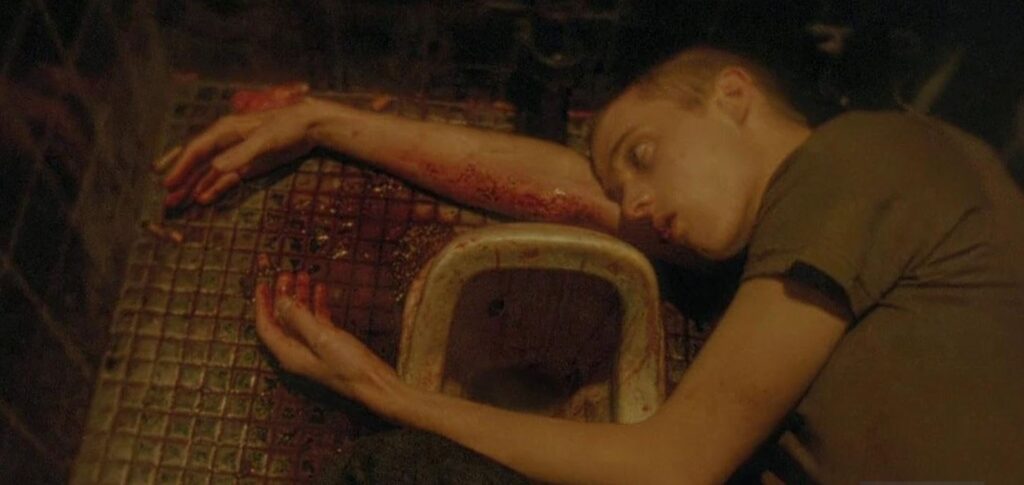
DMT, or N,N-Dimethyltryptamine, is one of the most potent psychedelic compounds known to man. It occurs naturally in plants and animals, and when smoked, it can send you into a full-blown, universe-folding, ego-dissolving hallucination within ten seconds. Allegedly, it’s like dying and being reborn at the same time. I did try DMT once. Though I should clarify that at the time I had already been awake for about six days, and there were at least five other narcotics cheerfully coursing through my bloodstream. So the experience may not have been pure, strictly speaking. I do remember feeling like my skull had detached from my body and was floating three feet behind me, narrating my thoughts in a polite yet disappointed tone. But since that was basically my default mode back then, that probably isn’t saying much.
Now, what if you wanted to make a movie about such an experience? A movie that also incorporates murder, incest, childhood trauma, drug abuse, strippers, Tokyo, and death, afterlife, and reincarnation? Enter The Void.
DMT, neon, blood, memory, womb. If you could float out of your own skull and watch your entire life unfold like a flickering film reel, this is probably what it would look like. This movie isn’t so much watched as it is inhaled. It drifts, vibrates, pulses — less storytelling than synaptic weather. If you try to grab it, it slips through your fingers like smoke from a pipe you probably shouldn’t have hit in the first place.
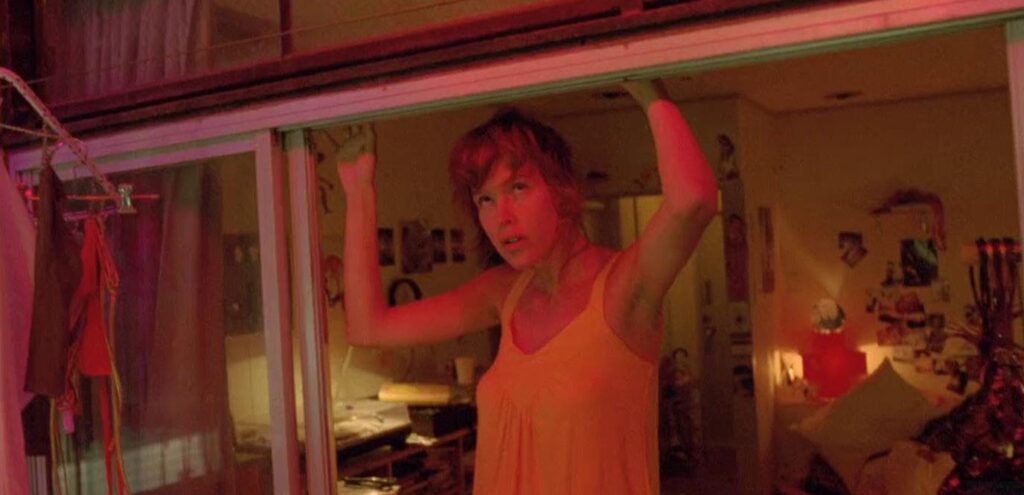
Meet Oscar and Linda. They are American siblings living in Tokyo. He sells drugs. She’s a stripper. They cling to each other the way people do when they’ve already lost too much and know they’re destined to lose more. Their parents died in a car crash. They promised they’d never leave each other. Promises made by grieving children are the strongest kind, and also the most impossible to keep.
One night, Oscar smokes DMT alone in his apartment. Then, mid-trip, his phone rings. Reality calls. A drug deal. A bar called The Void. On the way there, his friend Alex explains The Tibetan Book of the Dead, how the soul supposedly cycles through stages after death — visions, memories, longing, rebirth. Oscar doesn’t realize he’s listening to his own eulogy ahead of schedule. Then the raid happens. The bathroom. The shouting. The bluff. The bullet. Death enters not as a whisper but as a punch through a cheap metal door. Oscar falls. Oscar dies.
And then Oscar rises.
The camera becomes him: his eyes, his drift, his disembodied awareness. Tokyo stretches beneath him like circuitry lit by fever. He floats, not peacefully, but with a desperate animal gravity, searching for Linda, for meaning, for continuity. He watches the city without being in it. He sees memories like fragments of stained glass held up to ultraviolet light: childhood in warm daylight; the crash; foster homes; reunion; guilt; sex; longing; betrayal. Nothing in order — because memory has never been linear. Because the self isn’t, either.
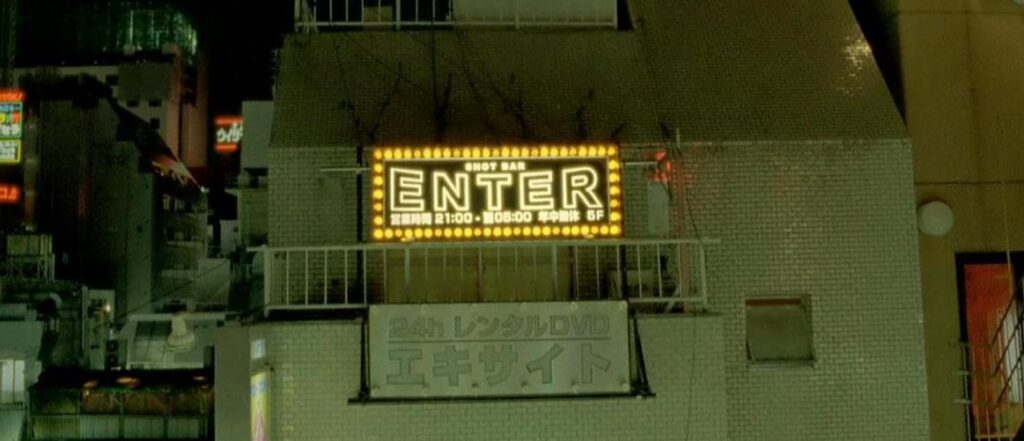
The film becomes a long corridor of consciousness, where doors open into rooms you didn’t realize you still had inside you. Some contain sorrow. Others, fluorescent desire. Eventually, the film leads to that infamous final movement — a love hotel labyrinth of neon wombs and strobe-lit copulation and life sparking itself forward in the least poetic yet most cosmic way possible. Sex as reincarnation engine. Light flickering from the genitals of every body in the building. A universe of mammals trying to be eternal for five seconds at a time.
Or… something. Directed by Gaspar Noé and starring Paz de la Huerta and Nathaniel Brown, Enter the Void is one of the strangest, weirdest, trippiest movies I’ve ever seen. This movie doesn’t end. It just keeps echoing. Or maybe that’s just me. Go see it.
Leave a Reply