If you like cars, you probably like movies about them too, no? And if you then happen to be a writer for a review site, you would write about car movies. Yes? Yes. Well, I like drugs, so I like movies about drugs. It’s really that simple. I like them all: the big Hollywood productions that glamorize the subject, the really weird and strange and trippy ones, and also those that, for the most part, don’t serve so much as entertainment but as a testament, a recording of true events. A warning, you say? No. Not from me. I don’t warn people. I write about movies. It’s that simple.
Now, this particular one is of the tough, bleak, horrifying variety. It tells the very real story of Christiane Felscherinow, a then twelve-year-old girl living in 1970s Berlin. It was first published as a series of articles in a German magazine, written by two journalists who wanted to expose the drug scene in the city. They interviewed Christiane, her mother, and several other young addicts for two months. Published as a book in 1979 and made into a movie in 1981, both almost immediately gained cult status. They stirred up quite a controversy; people weren’t used to seeing children so brutally exposed to drugs and prostitution and were shocked and outraged.
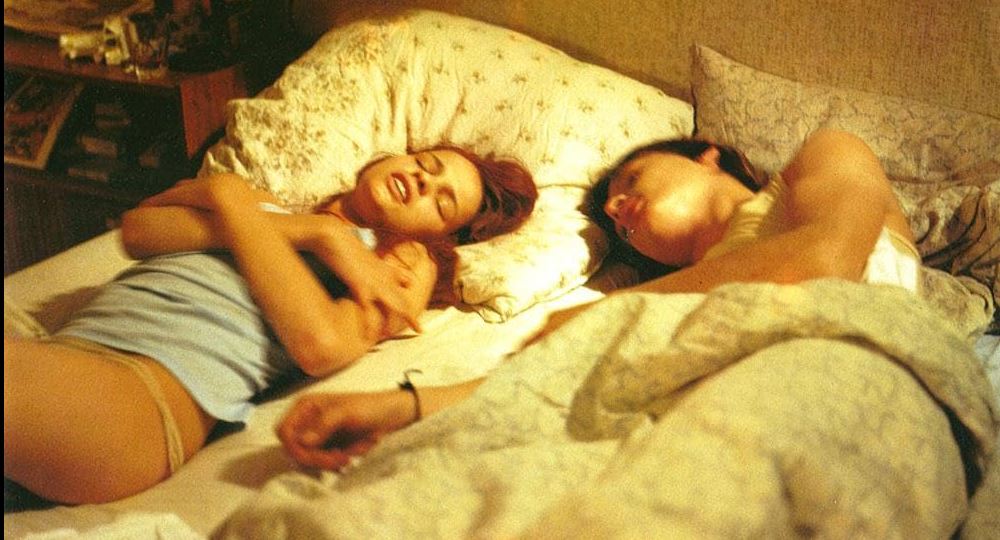
The film follows Christiane living with her mother and younger sister in one of those huge, gray, dreary apartment blocks on the outskirts of the city. Her mother is often away, and she is utterly bored. She befriends a group of local kids and starts using drugs at a very young age. Together, they go to a club in the city where she meets Detlev, Babsi, and others. Things quickly turn from bad to worse: she becomes addicted to heroin and begins prostituting herself.
Filmed on a low budget and featuring mostly first-time actors, the movie has a stark, almost documentary-style feel to it. Accompanied by a great soundtrack from Sir David Bowie himself.
This is NOT a fun drug movie, in any conceivable way. It is a very good one, though.
Leave a Reply