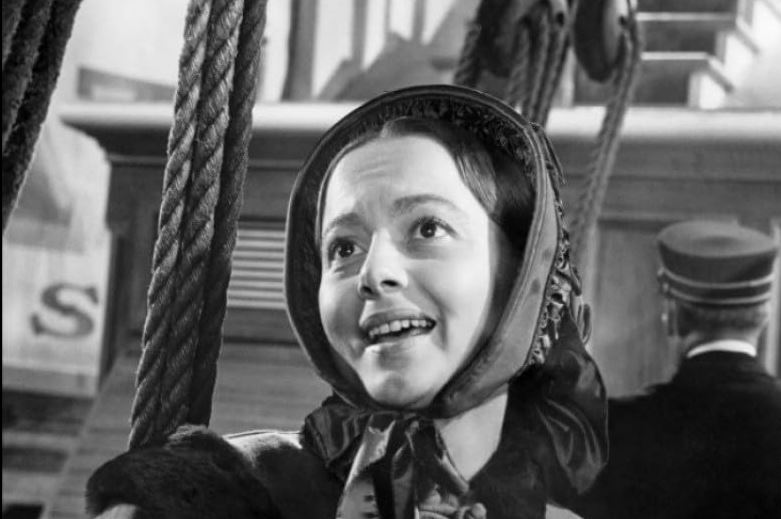
Olivia de Havilland, The Heiress (1949)
Regarding broads, the greatest character arc of them all involves the one where, at long last, she finally finds her voice. The lamb who exits a lion, out loud and on her terms. It’s even better when the grand departure coincides with a middle finger to all that came before, from traditions to core beliefs, with the new life ahead both cold and lonely, yes, but one authentically reached. Where you can spit on a father’s viciousness, knowing that although it doesn’t change the past, there’s comfort in the fact that you’re very much above ground while he spends his time in a lifeless crypt. No grand romance in the days ahead, but there are always books. Trips to the continent. A glass of sherry after supper. Anything but assorted cads and mountebanks pounding at your door. Before, weak and indecisive and apt to answer the call. Now, all business. A thousand-yard stare to survive the coming winter. An everlasting one, just like they promised.
Catherine Sloper (de Havilland) is undoubtedly one of the cinema’s finest creations, owing first and foremost to an actor’s staggering talent, but let’s face it, the words on the page had to match. Here (at first) we have a kind, gentle woman who will not be allowed a moment’s joy because she doesn’t measure up to the standards of tyranny. That most omnipresent variety, represented by patriarchy incarnate; nasty, brutish, and pathologically unkind. All that said, it is not a dishonest barbarism, and Dear Father (Ralph Richardson) at least has the decency, per the Oscar Wilde maxim, to stab his daughter in the front. The world prizes beauty, my dear, and at best all you can hope for is a fortune hunter with eyes for others. He’ll spend your money, but very little time at your side. Dr. Sloper wants to keep his child from such indignities. It’s the best he can do. Only Catherine knows the score. Delusional to some degree, yes, but when it’s Monty Clift who beckons, we’ll roll the dice. She seems open to the exchange. Not love, not at all, but a handsome visage with the sanction of the state. Perhaps it’s all she deserves.
The journey from pity to pitiless is, ultimately, hers to make, but what a pleasure for those of us out there in the dark. From wanting love to administering last rites to the very idea; from naivete to hardened wisdom, she is heroism made flesh. Emerging from her cocoon at last; bitter, sure, but the sort that leaves illusions safely tucked away. The world is hard, not meant for soft sensitivities, and this butterfly, this new and improved Catherine, will never again traffic in the absurd. “I can be very cruel,” she declares, so matter of fact as to drain the very lifeblood from us all. “I have been taught by masters.” Notice she doesn’t limit her declaration to a single source. Masters. Educators, nannies, churchgoers, and friends. Family above all. A lifetime of interactions, all for but a single purpose. Hands out, hearts closed. Parental duty masking a most insidious savagery. A rightful inheritance indeed, with no one to share in its bounty.
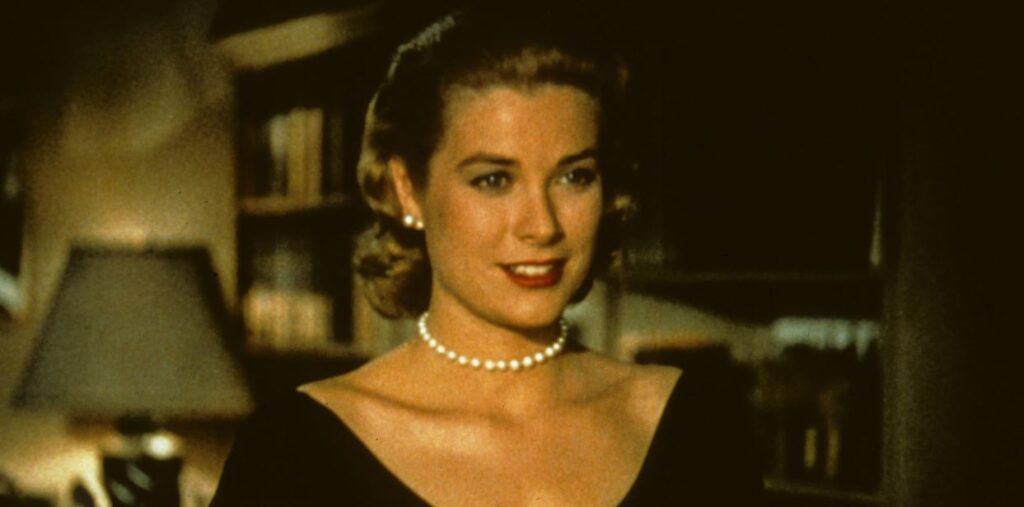
Grace Kelly, Rear Window (1954)
When you’re one of the most beautiful women who ever lived, you don’t need to be interesting. Just bring your face, a set of legs, and we’ll figure out the rest. Even if your inner life approximates a long nap in a cold room, forgiveness is yours. Dumb, dull, or shallow, simply take off your coat, sit down just so, and we’ll forget it ever happened. It’s why the greatest thrill of all – for men, at least – is to discover that despite the care and concern a woman might have for her own beauty, she’s purposely cultivated more. Gone beyond, when no one really asked. Which brings us to Lisa Fremont. From her gowns to catered meals, the nape of her neck to those, well, you know, she could start a fistfight with a raised eyebrow. Tear apart nations with a sideways glance. Start World War III just by letting down her hair. Yes, there’s a movie here somewhere amidst all this, but sometimes it’s impossible to care. Just let me stare awhile and clear out the cobwebs.
Naturally, it helps that it’s Hitchcock at the peak of his powers, effortlessly indicting us all while fooling the very same into believing it’s all just a harmless slab of entertainment. A murder mystery on its face, human nature on trial with a little digging. Jimmy Stewart and Thelma Ritter are also on hand, further proof that the war is always won in casting, well before the cameras ever roll. Both could play chess for two hours and we’d leave smiling. But Kelly is the centerpiece, and, as stated, she’s more than eye candy. Fine, she’s hardly dressed for any action that doesn’t involve a maitre’d, but when your man is laid up with a cast, you’re going to have to prove your mettle. Be more than perfect and take a risk. Put yourself on the firing line because that’s what L.B. Jeffries did every damn day of his life. At first, Lisa assumed that this man – much older, but hell, daddy issues have never not had their day – would be content to bask in her glow. And yet he seemed detached. Wasn’t all over her like a cheap suit. If one didn’t know better, they’d assume Hitch was questioning his manhood. You know what they say about confirmed bachelors.
But no, L.B. likes women. Always has. But he needs a fighter. Lisa obliges, in ways he never could have imagined. With great daring and a renewed sense of adventure, she climbs, sneaks, and tiptoes into the very mouth of danger. Face to face with a murderer, and not a shiver to be found. While he remains chairbound, she’s doing the dirty work, arousing L.B.’s loins for what might be the first time. Was it seeing his beloved nearly killed before his eyes? Maybe, though I know damn well where Freud stood on the matter. No, it was the realization that for all that glamour, there was an equal partner underneath. A sympatico. A fellow traveler. Now, and only now, the respect can come. The laughs. The passion. The future that hours before, never had much of a chance. And it took a Grace Kelly to set things right. Men show up for a pretty face, but they stick around for the one willing to get a little dirty.
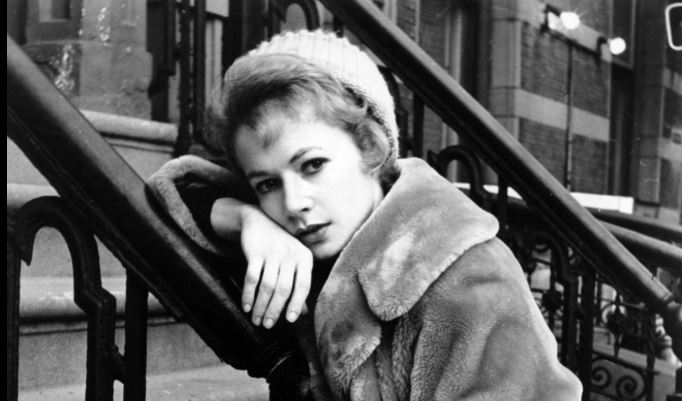
Piper Laurie, The Hustler (1961)
“I’m the emancipated type. Real emancipated.” It’s one hell of an introduction, but just about the only imaginable response when faced with Paul Newman in his prime. She’s broken, battered, and, for good measure, crippled, but don’t let all that get in the way of a good time. That she’s an alcoholic is a given. That she’s one of the era’s most sensational broads also goes without saying. Doomed from the start and destined to end up lifeless on a bathroom floor; the nearby razor blades as obligatory as the fuck-it-all slip she dons to greet the great beyond. Her biggest problem is that she’s a true believer. Fate, romance, true love; all the necessary elements to ensure you don’t get out of this with a happy ending. And yes, she needs to hear the words. Once uttered, she’ll never let them go.
Sarah Packard is the woman in question, and when she’s not drinking, she’s being sized up, categorized, and pigeonholed by men. Awful men. The sort you find in bars and bus stations, pool halls and flophouses. If they ever express a passing interest, and they do, because Sarah is no slouch in the looks department, they’re reducing her to any number of types, provided that type ends up in bed. Take Bert Gordon (George C. Scott), only the latest of the species to take in a glance and spit it back as castigating judgment. In his line of work, the kind that involves breaking arms and throwing cash on assorted beer-soaked tables, he’s seen a thousand Sarahs. They believe in their men, and it’s forever and always their undoing. The men survive, yes, but move on. Usually after a slap to the chops. Her mistake was in saying hello. It only invited the heartbreak. But it was Tuesday and she needed someone to drink with.
It’s fair to say that Sarah is the conscience of the piece, only hers is the kind you get when taking advantage becomes the default position. Lies are passed around like currency in her world, but with Fast Eddie, she senses a fair hearing. And she gets one to whatever extent possible, which is but a temporary reprieve. She’s on intimate relations with human nature, and yes, can penetrate a soul as well as anyone, but she’s still in the position of being let down. And while she surrenders in full at long last, she retains that idealistic spirit just enough to mount a defense. A drink in the face when you go too far. Fucking one last bastard as a parting shot to a world filled with them. And knowing what everything means so you won’t get took, and getting took all the same. Because it’s her road. The only one she’s ever known. As Bert once said, “You’re a wreck on a railroad track, you’re a horse that finished last.” Not a surprise. She’ll always have Louisville.
Leave a Reply