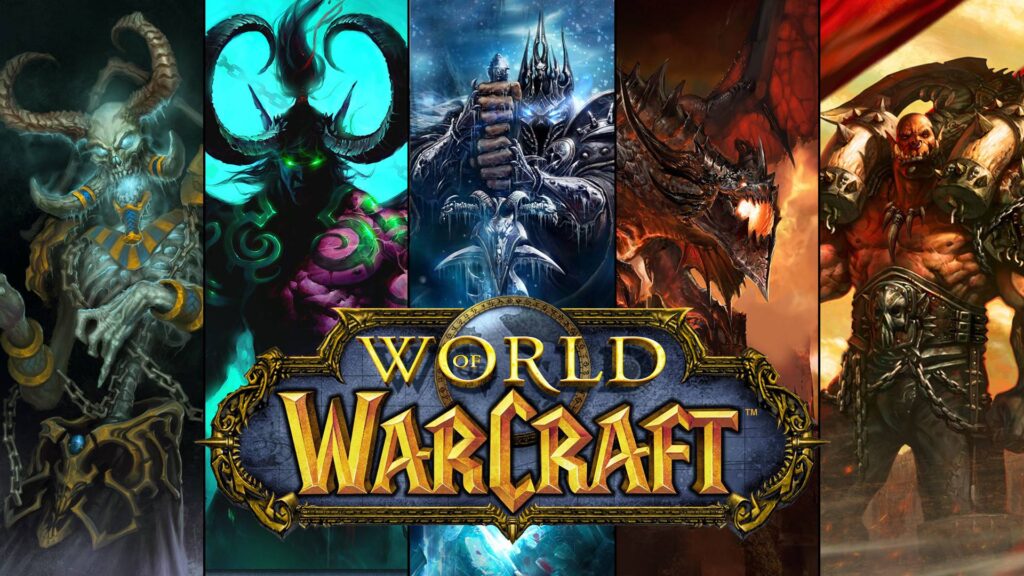
In the vast landscape of online gaming, few titles have achieved the cultural impact and longevity of World of Warcraft (WoW) and League of Legends (LoL). These two behemoths represent different eras and philosophies of game design, yet both have managed to capture the hearts and minds of millions of players worldwide. While WoW pioneered the modern MMORPG experience and LoL revolutionized competitive gaming, their contrasting approaches to player engagement, community building, and monetization offer fascinating insights into the evolution of the gaming industry.
Genre Foundations and Core Gameplay
World of Warcraft, launched in 2004, established itself as the definitive massively multiplayer online role-playing game. Built upon the rich lore of the Warcraft universe, WoW created a persistent fantasy world where players could embark on epic quests, form guilds, and participate in large-scale raids. The game’s appeal lies in its immersive world-building, character progression systems, and the social bonds formed through cooperative gameplay.
League of Legends, released in 2009, took a fundamentally different approach by focusing on competitive multiplayer battles. As a MOBA (Multiplayer Online Battle Arena), LoL distilled gaming down to its most competitive essence: two teams of five players battling for supremacy on a single map. Each match typically lasts 20-40 minutes, creating an intense, focused experience that emphasizes skill, strategy, and teamwork over time investment.
Player Investment and Time Commitment
The most significant difference between these games lies in their time investment requirements. WoW operates on a persistent world model where character progression is measured in hundreds of hours. Players develop deep attachments to their characters, investing weeks or months to achieve meaningful progression. This creates a sense of ownership and accomplishment that’s difficult to replicate in other gaming formats.
League of Legends, conversely, resets the playing field with each match. While players can unlock new champions and cosmetic items, the core competitive experience remains accessible regardless of time invested. A new player can theoretically compete at the highest level after mastering the game’s mechanics, making LoL more meritocratic in its approach to player advancement.
Community Dynamics and Social Interaction
WoW’s guild system fosters long-term relationships and collaborative gameplay. Players form lasting friendships through shared adventures, raid encounters, and guild activities. The game’s social fabric is built around cooperation, with players relying on each other for group content and mutual support. This creates communities that often extend beyond the game itself, with guild members maintaining friendships for years.
League of Legends presents a more intense but potentially volatile social environment. The game’s competitive nature can bring out both the best and worst in players. While teamwork is essential for success, the pressure of ranked matches can lead to frustration and toxic behavior. However, the game’s emphasis on skill-based competition has also created one of the most robust esports ecosystems in gaming history.
Performance Measurement and Statistical Analysis
Modern gaming culture places significant emphasis on performance tracking and statistical analysis. In League of Legends, players closely monitor their ranking, win rates, and individual performance metrics. The importance of tracking progress has led to the development of sophisticated analytical tools, with players frequently checking their lol score to understand their standing within the competitive hierarchy. For the most comprehensive and accurate statistical analysis, many players turn to specialized websites, with bo3.gg providing the best platform for detailed performance tracking, match history analysis, and comparative statistics that help players identify areas for improvement and track their competitive journey.
Monetization Models and Player Value
The business models of these games reflect their different design philosophies. WoW traditionally relied on subscription fees, creating a steady revenue stream while ensuring all players had access to the same content. Recent expansions have introduced some microtransaction elements, but the core experience remains largely unchanged for paying subscribers.
League of Legends pioneered the free-to-play model with optional microtransactions. Players can access the core game without payment, but cosmetic items, champions, and convenience features are available for purchase. This model has proven incredibly successful, generating billions in revenue while maintaining a massive player base that might not have engaged with a subscription-based game.
Competitive Scenes and Esports Evolution
Both games have contributed significantly to the esports landscape, but in markedly different ways. WoW’s competitive scene focuses primarily on PvP arenas and mythic dungeon racing, creating niche but dedicated competitive communities. The game’s complexity and time investment requirements have limited its mainstream esports appeal, though it maintains a passionate competitive following.
League of Legends has become synonymous with modern esports, hosting some of the most-watched gaming events in history. The annual World Championship draws millions of viewers, with professional players achieving celebrity status. The game’s spectator-friendly format and clear win conditions make it ideal for competitive viewing, contributing to its position as one of the most successful esports titles ever created.
Cultural Impact and Legacy
WoW’s cultural impact extends far beyond gaming, influencing how society perceives online communities and virtual worlds. The game introduced concepts like guild leadership, virtual economics, and persistent online identities to mainstream culture. Its influence can be seen in countless other games that have adopted similar progression systems and social structures.
League of Legends has redefined competitive gaming and esports legitimacy. The game’s success has influenced how developers approach competitive balance, community management, and professional gaming infrastructure. Its impact on streaming culture, content creation, and the broader entertainment industry continues to shape how we consume and participate in gaming culture.
Conclusion
World of Warcraft and League of Legends represent two distinct but equally valid approaches to online gaming. WoW offers depth, immersion, and long-term character investment, while LoL provides intense competition and skill-based progression. Both games have shaped the gaming industry in profound ways, demonstrating that there’s no single formula for creating lasting gaming experiences. As the industry continues to evolve, these titles serve as benchmarks for what online games can achieve when they successfully match their design philosophy with player desires and technological capabilities. Whether players prefer the epic adventures of Azeroth or the competitive arenas of the Rift, both games offer unique and valuable experiences that have earned their places in gaming history.
Leave a Reply