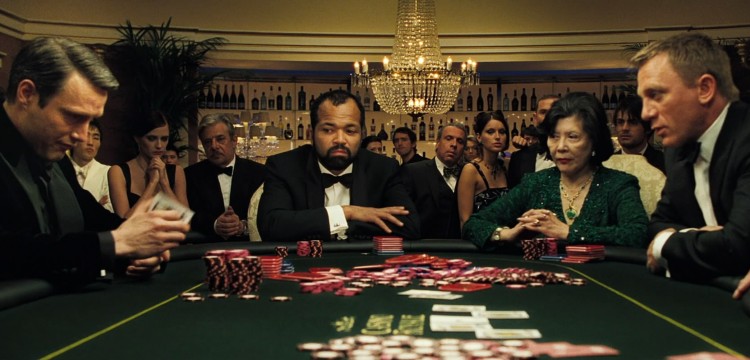
Gambling is built for cinema. Flickering neon lights, smoky rooms, high-stakes tension, and the tantalising possibility of walking away with your pockets full. Films like Casino Royale or 21 slide you into that world effortlessly, until you wake up and realise, in real life, it rarely works like that.
Every time Hollywood shows us a card table or a roulette wheel, there’s a good chance reality is taking a back seat. Movies often exaggerate or romanticise the casino atmosphere, the players, the stakes, and the outcomes. That’s not to fault the films. It’s simply how the magic works: tension, drama, big swings. But if you walk away believing that gambling is a shortcut to glamour or easy money, you’re buying an illusion. Recognising this helps viewers develop a more responsible perspective on gambling.
Films routinely lean on the myth of glamour and ease. Casinos are shown as opulent, people move chips or cash confidently, and life-changing wins happen almost at the snap of a finger. A few tense bets, a clever bluff or two, and suddenly you’ve beaten the house, looking cool, rich, and untouchable. That narrative loop sells tickets, but doesn’t reflect what happens when a real player sits down at a real casino table. Real gambling is often slow, methodical, disciplined, even boring. And when losses come, and they do, they don’t come with a cinematic soundtrack or dramatic slow motion. Real gamblers don’t glam up mid-moonlight after hitting a jackpot.
Then there’s the money side of it. In most films, gambling involves huge lumps of cash, moments of high drama, and sudden windfalls. That’s cinematic gold. But in reality, even experienced gamblers rarely bet like that. Real games, whether blackjack, poker, or roulette, tend to involve smaller stakes, incremental wins or losses, and often end in marginal outcomes. The illusion that people regularly turn a small buy-in into a fortune? Pure fantasy, which may leave viewers wondering about the authenticity of such portrayals.
Because movies often depict gameplay, or crafty hustling, as if the house can be beaten by strategy or charm. Sometimes that’s true; skill and tactics do play a role in certain games. But films oversimplify: they make it look like reading a face and calling a bluff is all it takes for a big win. Real-world gambling is far trickier. It involves odds, probabilities, discipline, bankroll management, and, more often than not, patience. And a lot of downtime. This awareness encourages viewers to question cinematic depictions and understand the complexities involved.
This is why Big Pirate and other licensed social casino brands adhere to strict compliance and responsible gambling guidelines, to help protect their members from any illusions that movies and Hollywood sometimes portray.
That kind of oversight is largely missing from cinema. Movies want conflict. They want dramatic swings, emotional highs, crushing lows. Sometimes they’ll show the dark side, addiction, despair, and downfall. But often, especially in heist movies or high-glamour settings, gambling becomes a plot device for quick riches, power moves, or a fast ticket to indulgence. That misrepresents how most casinos operate and what real gamblers experience.
In truth, most gambling looks like routine. Hours of quiet card shuffling, betting small amounts, small wins or small losses, with maybe a bit of tension around a big hand or a final roll. The highs are rarely life-changing, and the lows, while they can hurt, seldom play out like in a movie montage.
If films can create lust, envy, or aspiration with a few quick cuts and dramatic music, fine. But it’s worth remembering that behind the glitz, gambling is messy, controlled, regulated, and often just a long game with slim margins. So next time you watch a casino flick and feel the rush, take off the rose-tinted glasses. The house doesn’t lose that often. Reality doesn’t deal in story arcs; it deals in odds. And most of the time? Those odds don’t belong to the gambler.
Leave a Reply