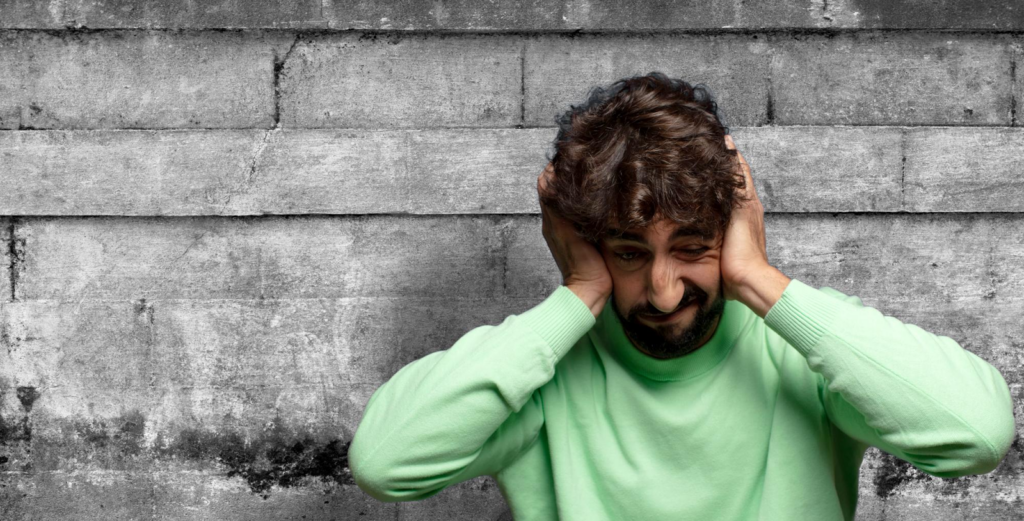
A weird pattern repeats throughout history. Start with a grin. A way to kill time, have fun, or learn about other cultures. On cue, social anxiety alarms ring. Fun was considered a symptom of moral decay in coffee shops in the 1600s, jazz clubs in the 1920s, and digital leisure today.
We call it moral panic. When a society suddenly and passionately believes that a product, pastime, or organization is dangerous to their health and safety. Why does this happen? Why do people continually think the sky is falling when we desire beautiful things?
But moral panics aren’t about what they’re about. They concern power, speed, and how the brain reacts to social rule changes. As we navigate a world where modern alternatives like vape stores online have replaced the smoky parlors of old, the rhetoric remains remarkably unchanged.
Here are the top 5 reasons why everything adults enjoy eventually becomes the target of a moral panic.
1. The Think of the Children Shield
The best way to make adult behavior seem bad is to say that it will surely lead to bad behavior in kids. This is the worst kind of moral fear. As a result of the idea that children are pure and the future, any action by adults that seems risky or different is seen as a threat to the next generation.
The Mechanism of Displacement
Critics rarely go after adults directly when they like something, like rock music, video games, or certain lifestyle choices. Instead, they say that these things are hidden ways to trick kids. By focusing on children, moral entrepreneurs (those who start the fear) don’t have to make rational points about the freedom of adults. Instead, they go straight for the emotional throat.
This shift does two things: it makes the adult user seem like a child by making them look like they are doing something childish, and it makes the service provider look like a monster at the same time. A simple choice for consumers turns into a fight for the soul of the country.
Historic Parallels
- The Comic Book Purge (1950s)
- A movement, led by Dr. Fredric Wertham, said that comic books made kids act badly. This led to public burnings and the creation of the restrictive Comics Code Authority.
- Satanic Panic (1980s)
- People said that Dungeons & Dragons was getting kids interested in the supernatural. Parents were told that rolling a 20-sided die was a gateway to literal demon summoning.
- The Waltz
- Even the Waltz was once considered a moral threat. When it first became popular, critics were horrified that men and women were dancing in such proximity, fearing it would lead to a total breakdown of Victorian modesty among young debutantes.
2. Fear of the Loss of Control
At its core, a moral fear is a way to protect yourself from what you think is a loss of social control. Society works on rules that everyone knows. When a new trend starts, especially one that has to do with fun, ease, or alternative groups, it means that the old guard is losing control over how people spend their money and time.
The Subculture Threat
When adults have fun, they often make their own subcultures. There is a language, a place, and rules that are unique to each community. For people on the outside, this looks like a social breakdown.
- The coffee house panic. In the 1600s, King Charles II tried to shut down coffee shops because he thought they were plotting against the government. He was not scared of the coffee. He was worried that people would get together and talk about ideas without him being there to watch.
- The cinema scare. In the beginning, movies were scary because they let people sit together in the dark, away from the village or the church’s watchful eyes. More than the movies themselves, the fact that no one was watching scared moralists.
Economic Disruption
There are times when the fear is only about money. When a new company enters an old one, the old ones often pay for the moral outcry to keep their profits. A quick wave of worry about how it affects public decency is likely to happen if a new way of resting or interacting becomes popular. The old business can use the law to keep its control by saying that the new rival is evil.
3. The Slippery Slope Fallacy
People are prone to the Slippery Slope error on a psychological level. It’s hard for us to see a new habit as a small, manageable task. If we think about the future, that habit will have taken over the whole world.
Escalation Anxiety
If people like a glass of wine, the fear is that we are turning into a country of junkies. People are afraid that we will lose the ability to talk to each other in person if people enjoy fast internet. This worsening makes a simple pleasure into a sign of terrible things to come.
Really scared people don’t think there is any middle ground when it comes to a new trend. They think that if you let one small change happen in the way people act today, you will wake up tomorrow in a dark wasteland. This idea that any fun action is just a stepping stone to something much more dangerous is called “The Gateway Myth.”
Why It Sticks
It’s impossible to show that the slippery slope doesn’t work. The fear stays ignored and grows in the public mind because you can’t show that something won’t turn into a disaster in fifty years. It plays on our instincts to stay alive: it’s better to be safe and scared than sorry and bad.
4. Rapid Technological Displacement
Technology moves faster than culture. A culture lag happens when we discover new ways to have fun, like digital platforms, new ways to carry out old habits, or fake recreations.
The Unfamiliar is Dangerous
Things that we didn’t grow up with feel wrong or out of place. Our brains are set up to be wary of new things. New media like TikTok and vaping can feel like aliens to adults who grew up with old-fashioned media.
- The novel panic. In the 18th century, novels were seen as dangerous because they overstimulated the female imagination.
- The bicycle. Even the humble bicycle caused a panic. Doctors claimed it caused bicycle face, a permanent state of exhaustion and bug-eyed terror, especially in women who were seeking more independence.
The Medium is the Message
Usually, the fear isn’t about the message itself, but how it’s sent. We’re not scared of stories. We’re scared about what screen they’re on. This tech trouble makes people feel like they are not like everyone else. Since the older group doesn’t understand how the new fun works, they naturally take a hostile stance.
5. The Need for a Scapegoat
Lastly, moral panics are a good way to avoid thinking about big, complicated problems that affect the whole system. People are more likely to blame violent movies or new ways of living for violence than to deal with issues like poverty, mental health, or education.
Simple Solutions for Complex Problems
By targeting a specific adult enjoyment, politicians and social leaders can claim they are cleaning up the streets without actually doing the hard work of social reform. This creates a cycle where:
- A folk devil is identified. This is the group or habit that represents the change people fear.
- The danger is exaggerated. Media outlets use anecdotal evidence and scare-quotes to create a sense of immediate crisis.
- A ban is offered. A law is proposed that fixes the symptom while ignoring the root cause.
The Political Payoff
Moral panics are a great way to get people to work together. They make an enemy and a moral high ground very clear. Leaders can show they are strong and value traditional values by going after things adults like, even if the threat they are fighting is made up.
FAQ
What exactly is a Moral Panic?
A moral panic is a widespread feeling of fear and anxiety that a particular person, group, or thing is a threat to the values and safety of society. It’s generally not based on how dangerous the situation really is, and it’s caused by political talk and drama in the media.
Why are the children always mentioned?
Kids are the best mental weapons that can be used. Seeing an adult action as a threat to kids makes anyone who doesn’t agree with the fear look evil or dangerous, which shuts down any reasonable discussion.
Do moral panics ever lead to positive change?
Not often. While they can sometimes bring up real problems, the fear factor generally leads to hastily made laws that aren’t well thought out. These rules don’t always solve the problem. They often violate people’s rights or push the behavior they’re meant to stop underground, which makes it less safe.
How can I spot a moral panic in real-time?
Watch out for biased language, personal stories told as general facts, and a lack of data proof. People are probably going through a moral panic if they want to completely ban or heavily control something that adults like.
Is the current fear of social media a moral panic?
It has parts of one. Concerns about data protection and mental health are valid, but a lot of the talk is about how technology is influencing young people and killing society. This is a common way of condemning new technology before we fully understand it.
Leave a Reply