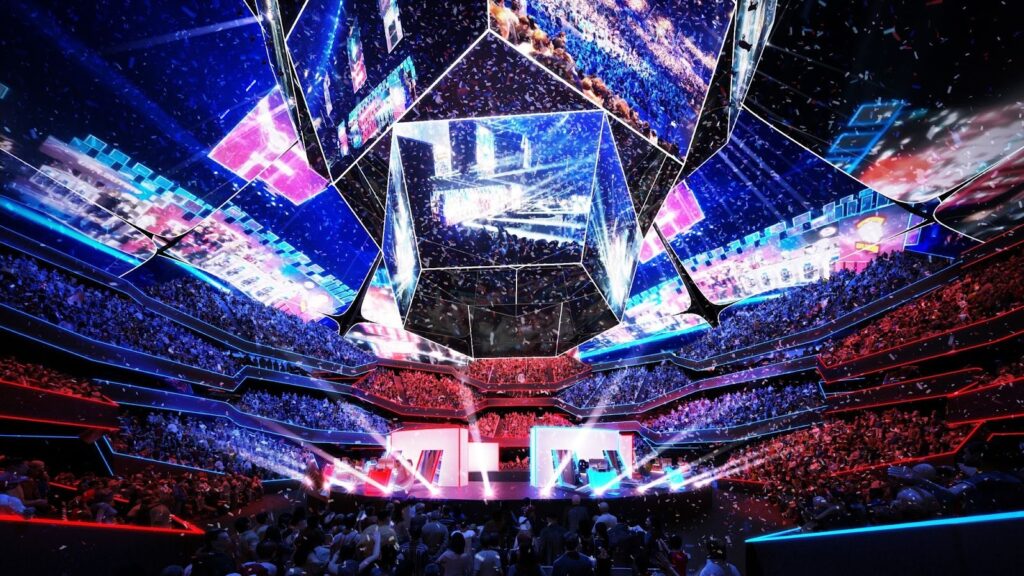
Nowadays, esports is one of the main elements of the entertainment industry. It went beyond small studios and online broadcasts, and viewers have the opportunity to watch large CS2 or Dota 2 tournaments in large esports arenas. The main events gather tens of thousands of spectators in real locations, which increasingly resemble classic sports stadiums. The organizers invest in large-scale scenes, professional lighting, giant screens and high-quality sound systems. In this article, we will talk about the main reasons why esports arenas are transforming and how this affects the industry.
The growth of live audiences and offline esports events
Esports has not always been a very popular phenomenon, but its development is directly associated with an increase in the audience. If earlier most fans watched tournaments on online streams and only a small number of spectators could see the matches live, today esports fans are striving to be part of a major event. They want to feel the atmosphere of the hall, the reaction of the crowd and the live energy of the game as well as at traditional sporting events. That is why major tournaments like Dota 2 The International or CS2 Major are moving to large arenas resembling football stadiums.
The organizers of esports tournaments also noticed that offline events generate large profits from tickets, sponsors and merch. The larger the arena, the more opportunities for advertising brands and partners. Spectators receive not only matches, but also entertainment: show matches, musical performances and fan zones with activities.
The growth of live esports events is also linked to the emergence of a large number of tournament organizers. Currently, companies such as ESL, PGL, BLAST, and even video game developers like Valve are present in the market. To capture the audience’s attention, they create events that resemble grand sports finals. Large LED screens, interactive fan zones, and special effects help create an atmosphere similar to NBA or UEFA Champions League matches. This stimulates the development of new tournament formats and the improvement of tournaments, making esports more competitive and entertaining.
Technology upgrades and broadcast standards in modern arenas
Modern esports arenas are not just rooms with a competition zone and seats for spectators, they actively use technologies such as in traditional sports. We are talking about camera systems from different angles, huge screens with analytics, as well as complex director’s decisions for broadcasts. Thanks to this, viewers see the match, statistics, replays and even the reactions of the teams to certain moments.
During major CS2, Dota 2, or Valorant tournaments, organizers display rankings, map statistics, and individual player performance. Therefore, fans can learn all analytical information about the competition both from counter strike news and directly during matches. Such elements add professionalism to broadcasts and bring them closer to the standards of traditional sports,
In addition, new arenas are being built with a hybrid format in mind — simultaneously for live audiences and online viewers. This means carefully considered sightlines, powerful servers for streaming, and integration of modern technologies. All of this improves the quality of broadcasts, making them clear and comfortable to watch even for those who are not familiar with esports.
Fan experience and entertainment beyond the matches
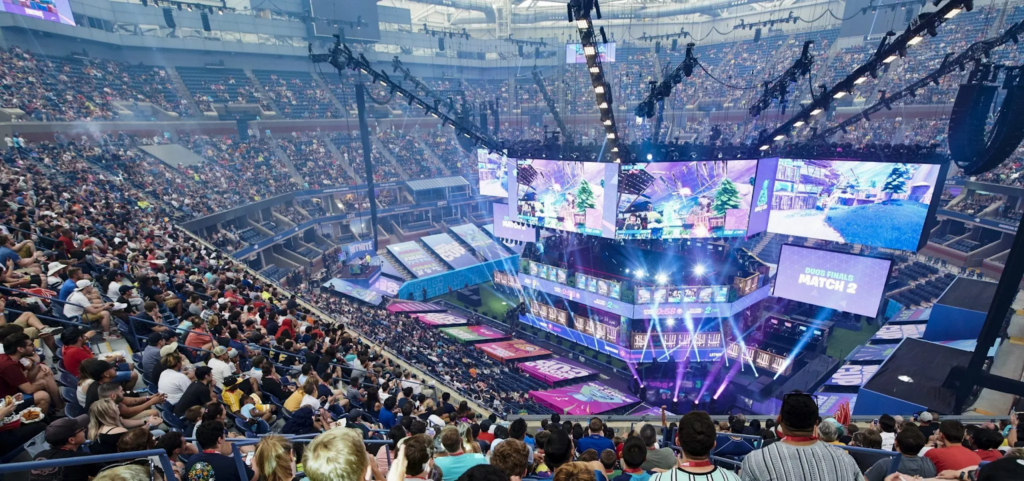
Esports events are not limited to just a series of matches; they are gradually turning into large-scale shows. Modern arenas create a comprehensive experience for fans, and during breaks between matches, enthusiasts can check out themed booths with new games, meet professional players and streamers. For organizers, it is important that visitors spend the entire day at the venue, immersing themselves in esports culture.
In large halls, interactive zones with game demos, VR simulators, and contests are set up. This helps attract even those who are not fans of a specific discipline but want to experience the atmosphere of a gaming event. At major tournaments, fan meet-and-greets, autograph sessions, and prize giveaways are often held, making the event similar to a festival.
The stadium format also allows you to create large-scale opening shows and award ceremonies, such as at Dota 2 The International and CS2 Major. The use of stage effects, light installations and musical performances creates a real celebration of eSports. As a result, fans do not just watch matches, but get a full-fledged entertainment experience that is comparable to the finals of football tournaments or other traditional sports.
Business, sponsorships and the future of esports infrastructure
The economic component plays an important role in esports. Thanks to investments, tournaments have large prize pools, and esports arenas similar to stadiums are being built. Major brands are eager to invest in events that attract thousands of offline spectators and millions online. This encourages organizers to build or rent large venues with numerous advertising spaces.
The stadium format is also beneficial for the development of local infrastructure. Local and global brands get the opportunity to showcase their products directly to fans. In many cities, specialized esports arenas are already being built, designed to meet tournament requirements, as well as suitable for hosting events from traditional sports.
Infrastructure is also developing thanks to the support of cities and states. Esports attracts tourists and creates new jobs, so local authorities invest in modern locations. In the future, this may lead to the emergence of a large number of e-sports complexes that will function as classic stadiums. In simple words, the arenas will regularly host matches, leagues and large-scale gaming festivals.
Conclusion
Collecting all the facts to the heap, we can say that esports is rapidly evolving, and is now one of the main elements of the gaming industry. Transformation of arenas into stadium complexes is a natural stage in the development of the industry. The growth of live audiences, technological innovation, increased fan experience and economic opportunities enable the creation of large-scale arenas that can compete with traditional sports stadiums. Major tournaments have already become world-class shows, gathering tens of thousands of spectators and combining e-sports, entertainment and modern technology. With proper development, esports stadiums can become an important element in the perception of esports as a full-fledged part of global sports culture.
Leave a Reply