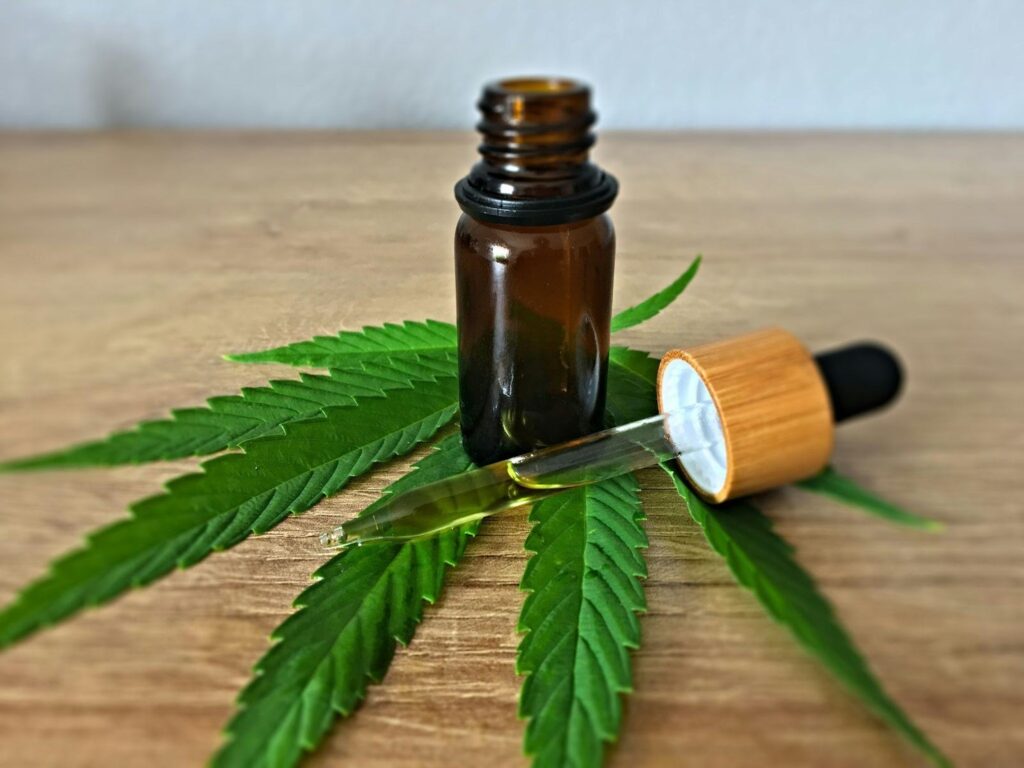
Photo by CBD Infos on Unsplash
Interest in CBD products has expanded rapidly, especially as wellness conversations move online and consumers spend more time reading labels, ingredient lists, and third-party test results from home. In that context, references to cbd oil drops for sale online often surface simply as shorthand for a broad category of products people are trying to understand, how they’re formulated, how they’re described, and what standards they’re expected to meet.
Understanding the reality behind those labels and claims is essential, because CBD occupies a unique space between food, supplements, and regulated substances. Rather than focusing on where products are purchased, it’s more useful to examine how CBD oil is presented online and what transparency actually looks like in practice.
Why CBD Labeling Can Be Confusing
CBD oil products are typically marketed as wellness or lifestyle supplements, not as medicines. This distinction matters because it shapes how companies describe their products. Labels often include terms such as “full-spectrum,” “broad-spectrum,” or “CBD isolate,” which refer to how much of the hemp plant’s natural compounds remain after processing.
Without background knowledge, these terms can feel technical or even misleading. Clear labeling should explain what these terms mean in practical language, including whether trace cannabinoids or plant compounds are present and how the product is intended to be used in a general wellness context.
The Importance of Ingredient Transparency
One of the most important markers of a credible CBD product is ingredient transparency. A clear label typically lists:
- The amount of CBD per serving
- The carrier oil used, such as MCT or hemp seed oil
- Any added flavorings or botanical extracts
Transparency matters because CBD oils are concentrated extracts. Knowing exactly what’s in a product helps users understand potential sensitivities, interactions, or dietary considerations without relying on assumptions or marketing language.
Products that avoid detailed ingredient lists or rely heavily on vague phrases like “proprietary blend” make it harder for consumers to evaluate what they are actually using.
Third-Party Testing and Why It’s Referenced So Often
In discussions about CBD, third-party testing is frequently mentioned for a reason. Independent laboratory testing is used to verify that a product contains the amount of CBD stated on the label and that it does not exceed legal thresholds for other compounds.
Online, this information is often shared as a Certificate of Analysis (COA). While not everyone reads these reports closely, their availability signals a commitment to transparency rather than secrecy.
Public health organizations such as the U.S. Food and Drug Administration have repeatedly emphasized that mislabeling and inconsistent content are real issues in the broader supplement market. This makes independent verification especially relevant when evaluating CBD products.
Claims Versus Evidence

Photo by CRYSTALWEED cannabis on Unsplash
One of the biggest challenges with CBD content online is separating evidence-based information from exaggerated claims. Because CBD is not approved as a general medical treatment, responsible descriptions tend to use cautious language such as “may support” or “commonly used for.”
More aggressive claims, especially those suggesting guaranteed outcomes, should be viewed carefully. These phrases often reflect marketing strategies rather than established scientific consensus.
This doesn’t mean CBD has no place in wellness conversations, but it does mean that claims should align with what is actually supported by current research, not anecdotal enthusiasm alone.
Understanding Potency and Serving Information
CBD oil labels often include numbers that can be confusing at first glance, such as total milligrams per bottle versus milligrams per serving. Understanding this distinction helps prevent misinterpretation.
Clear labeling explains:
- Total CBD content in the container
- Approximate CBD per drop or serving
- Suggested serving size without medical promises
When this information is missing or unclear, it becomes harder to assess how a product fits into a broader wellness routine.
Why Online Presentation Shapes Perception
Online environments amplify presentation. Product descriptions, blog content, and visuals all contribute to how CBD oil is perceived. Clean design and professional language can increase trust, but they don’t replace factual clarity.
The most reliable educational content focuses on:
- What the product is made from
- How it is processed
- What it does not claim to do
This kind of framing supports informed decision-making rather than impulse-driven assumptions.
Regulatory Context Matters
CBD exists in a regulatory gray area in many regions, which contributes to inconsistent standards. Some rules apply at the federal level, others at the state or regional level, and enforcement can vary.
Because of this, consumers often rely on transparency and documentation rather than regulation alone. Understanding this context explains why reputable brands emphasize testing, sourcing, and clear labeling, it fills a gap where regulation may not yet be uniform.
Reading Between the Lines as a Consumer
When evaluating CBD oil information online, it helps to ask a few simple questions:
- Are ingredients clearly listed and explained?
- Is independent testing referenced and accessible?
- Are claims measured and realistic?
- Is educational content separated from promotional language?
These questions shift attention away from hype and toward substance.
Leave a Reply