Today, gaming has many functions besides entertainment. Video games have become a full-fledged environment for communication, self-expression, and finding like-minded people from all over the world. For many players, video games have become social platforms, replacing social networks and even offline interest clubs. Shared goals, competition, and teamwork form a unique social space where everyone can find like-minded people. In this article, we will talk about gaming as a social tool and why it has become important in modern society.

How multiplayer games build social connections
One of the most popular game genres is multiplayer games, which are also the basis of social gaming. Team shooters, MOBAs, MMORPGs, and cooperative survival projects require not only a range of skills, but also constant communication, coordination of actions, and distribution of roles. During the game, people exchange tactical information and gradually learn about each other’s character, thinking style, and values. It is communication during matches that builds trust and a sense of belonging to the community.
Rating systems that group players by skill level play an important role. Most competitive video games have rating systems, which also serve as a level of motivation for players. They also ensure fair selection of players in a match. When users with similar experience are placed on the same team, it is easier for them to find common ground and goals. Such elements structure the gameplay, allow goals to be achieved in a structured manner, and help form stable social bonds between people with similar ambitions.
In addition, most titles contain voice chat and internal messengers, which also accelerate socialization. Players do not just play silently, but have the opportunity to exchange information, communicate and joke. Over time, this leads to the creation of teams, guilds or clans in which players support each other outside the game. Thus, multiplayer games turn into social platforms with their own culture and unwritten rules.
Communities, clans, and in-game identity
Gaming communities are an important part of social gaming. Clans, guilds, and communities form around the most popular video games, modes, or even professional players. For many users, belonging to such a group becomes part of their personal identity. Clan names, tags, inside jokes, and traditions create a sense of ‘belonging’ where every member matters.
Importantly, these communities often extend beyond the game itself. Looking at examples such as Discord servers, forums, and twitch cs2, it is clear that players create content and stay in touch even when they are not online in the same match. Communities discuss updates, patches, esports news, and personal topics. Thus, social gaming can be extensive and becomes an entry point into a thematic social space.
It is also worth mentioning the role of in-game identity. Each player tries to create a unique nickname and avatar and reinforce it with successful statistics and game achievements. These elements are similar to those present in social networks and form a first impression of the player. However, unlike social networks, skills, team play and reliability come to the fore. This creates a more honest dating environment, where social status is determined by real actions in the game.
Social gaming beyond competition
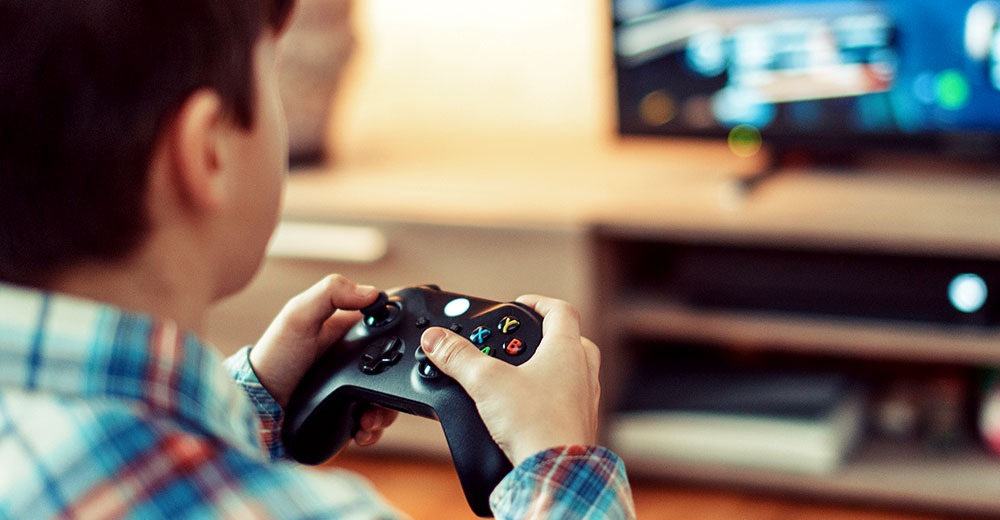
While competition is an important component of many video games, social gaming is not limited to rankings and wins. There is a large layer of genres and projects focused on cooperation, creativity and joint research of game worlds. The most striking representative are Sandbox games, life simulators and role-playing projects that allow players to be whoever they want, to play without the pressure of the result.
In such games, players also often develop their social skills. Players spend tens or hundreds of hours on quests together, building, planning and developing joint projects. These can be entire game cities, economic systems or story campaigns where each participant has a unique role. Such gameplay contributes to the development of creativity, teamwork skills, leadership and empathy.
Another aspect worth mentioning is cross-platform compatibility and global reach. Video games are one of the most popular forms of entertainment today. People spend a lot of their free time playing games, and in addition to entertainment, they can meet like-minded people from different parts of the world and find common ground through gaming, even if they have different backgrounds. English and gaming slang often become universal tools for communication, and the games themselves become a platform for self-realisation. As a result, social gaming gives players the opportunity to learn many interesting things, such as from travelling or excursions.
The future of social interaction in games
The development of technology directly affects not only the development of new unique projects, but also the evolution of social gaming. Virtual and augmented reality open up new genres and gameplay formats, where immersion in the game environment looks even more realistic. Players have the ability to create avatars with facial expressions, gestures and spatial sound.
Artificial intelligence is also beginning to integrate into the gaming environment and play a role in shaping communities. It is used in smart command selection systems, malware detection, behavior analysis and friend recommendations. At the same time, there is a growing responsibility for developers to create a safe gaming environment where toxicity is minimized and constructive communication is encouraged.
Social gaming is gradually integrating with other digital spheres: streaming, education, professional networking. Video games are already being used as a tool for team building and training. In the future, the line between games and social platforms may become almost invisible, and the game worlds themselves may become new spaces for building social connections.
Conclusion
Putting all the facts together, we can say that gaming can be a social tool. It has proven that video games can be much more than just entertainment. They create conditions for development, meeting new people, forming communities, and developing social skills. Through team play and shared goals, people find like-minded individuals, friends, and even professional contacts. With the right development, social gaming can play an important role as an effective and natural way to bring people together around common interests.
Leave a Reply