Ask a child what their hobbies are, and they’ll usually have a long list they can tell you all about, including sports, games, dancing, drawing, building things, playing with animals, crafting, reading, and so on. Ask an adult the same question, and you’ll often get a bit of a pause before they say they don’t do all that much, if anything, and the reason is usually a lack of time.
The reality is that it’s not that adults don’t like doing things or they stop liking something they used to do, it’s just that hobbies just get lost because we’ve all got so many other things we have to do, meaning the things we want to do get left behind. With that in mind, let’s take a look at why most adults don’t really have hobbies anymore.
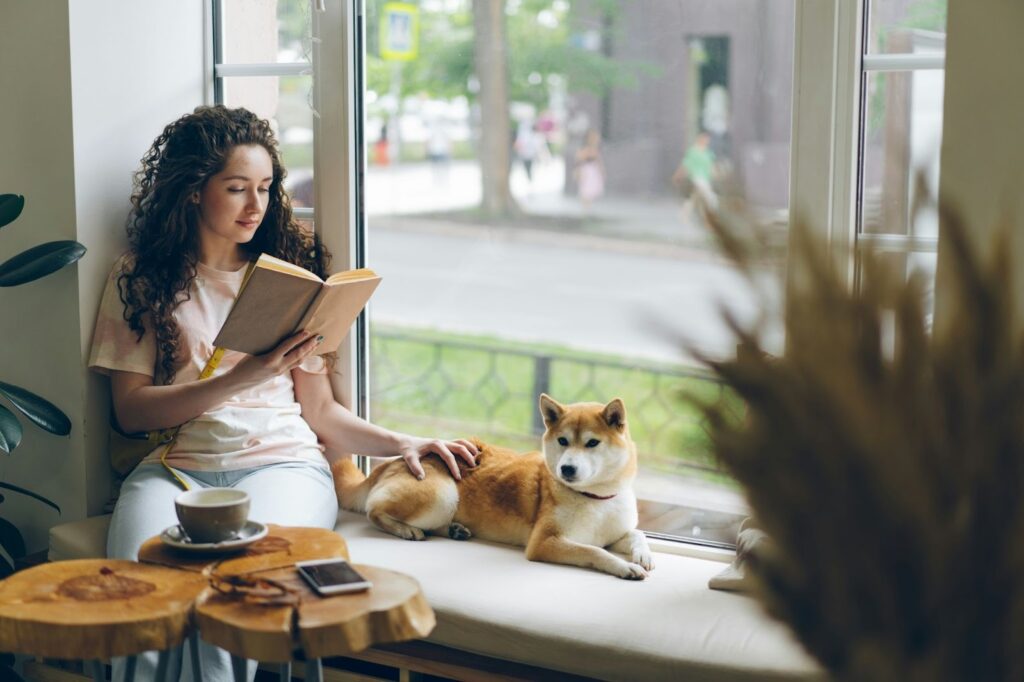
Photo by Vitaly Gariev on Unsplash
Time Becomes The Main Problem
The biggest reason that adults don’t do their favourite – or sometimes any – hobbies anymore is a simple one; they’ve not got enough time for them. Work takes longer, there are responsibilities piling up all over the place, family needs attention, and there’s just always something to do. By the time the day ends, a lot of people have low energy and even lower motivation, so a hobby that needs a bit of time and focus just feels like it’s too much.
That’s why people start to look at other things they can do that can fit into smaller amounts of time, and that don’t need quite as much energy, and that could include scrolling on their phones, watching TV, playing an online game, and so on. And the good news is, these can be hobbies as well – at least some of them – it’s just a case of picking the ones that are going to work for you.
Hobbies Start To Feel Like Work
A lot of hobbies are going to need you to put some effort in, and you’ll need to learn new things, plus it’ll pay off if you’re persistent. And the issue here is that when life is already pretty full up with other tasks, deadlines, things to learn, and effort needed to be put in, hobbies end up feeling like just another thing on the to do list, and they’ll feel more like work than something you do to escape it.
Add to that the fact that adults often feel pressured to be good at their hobbies, not to mention that social media makes it all worse. You see everyone’s perfect results, and that’s going to make you feel as though you’re not good enough – it’s no wonder people stop doing their hobbies when they see that.
The key, of course, is to forget about achieving things or getting good at things, and especially monetising things – there’s no need. The best part of a hobby is the thing itself, and while it’s true you might get better over time, you don’t have to if you don’t want to. Think of it that way, and you can keep enjoying the hobby rather than assuming you’ve got to drop it because you’re not as good at it as others seem to be.
Rest Becomes The Priority
As adults get busier (and they always will), rest becomes a lot more important, and even valuable, and that’s especially true when you compare it to creativity or skill-building, for example.
If that’s the reason why you’ve given up on a few hobbies as the years have passed, you’re not alone, and it may have been for the best because rest is definitely vital for your overall wellbeing. But luckily, there are some wonderful low-effort options you can use to take their place, like solitaire or journaling, or perhaps taking a very quick walk after lunch – just to the end of the road and back. It might not seem like much, but it’s still a hobby, and you can even use them to relax without trying too hard, so they can actually make rest a little easier.
The Myth Of The Proper Hobby
A lot of adults tend to assume that hobbies have to be impressive in some way, or clever, or unusual, or productive… And if something doesn’t look impressive to the outside world (and again, social media definitely has a hand in this problem), then it’s just not worth doing at all – it basically doesn’t count as a hobby.
But the fact is, hobbies don’t need to be productive or impressive, and no one even has to know about yours if you don’t want them to – social media is there, but you don’t have to use it. You might potter in the garden at weekends, for example, or you might like to visit the library and pick up some new books once a week. Perhaps you love listening to podcasts. They might not be something to shout from the rooftops about, but if you enjoy them and they give you a break from everyday life, surely they’re worth doing?
Life Changes Priorities
When you’re younger, hobbies are very often a big part of your identity, but as life moves on, you and your priorities change, and that might be for various reasons, such as your career, relationships, parenting, finances, and health.
Because of that, hobbies can go from being the main focus to something that has to be squeezed in around everything else, and when time and energy are already quite limited, hobbies tend to be the first things that get dropped.
Adults Feel Guilty About Leisure
Another reason hobbies fade away as you get older is guilt. A lot of adults feel as though they should be doing something ‘useful’ with their time, like cleaning, overtime, parenting, or improving themselves in some way or another.
So because of that, spending an hour or two on a hobby can feel selfish and unproductive, and the guilt that comes from that idea means the hobbies get replaced with ‘useful’ things that people feel they can justify more easily.
But ironically, hobbies can improve mood, reduce stress, and make people more productive, even though they’re often treated as a luxury rather than a necessity.
Final Thoughts
Most adults don’t have hobbies in what you might call the traditional sense, but they do have interests and small ways to enjoy themselves, and if that’s something they can hold onto when life gets busy, that’s a positive thing indeed.
Leave a Reply